Pub.lished Movie Reviews
The Big Lebowski (1998)
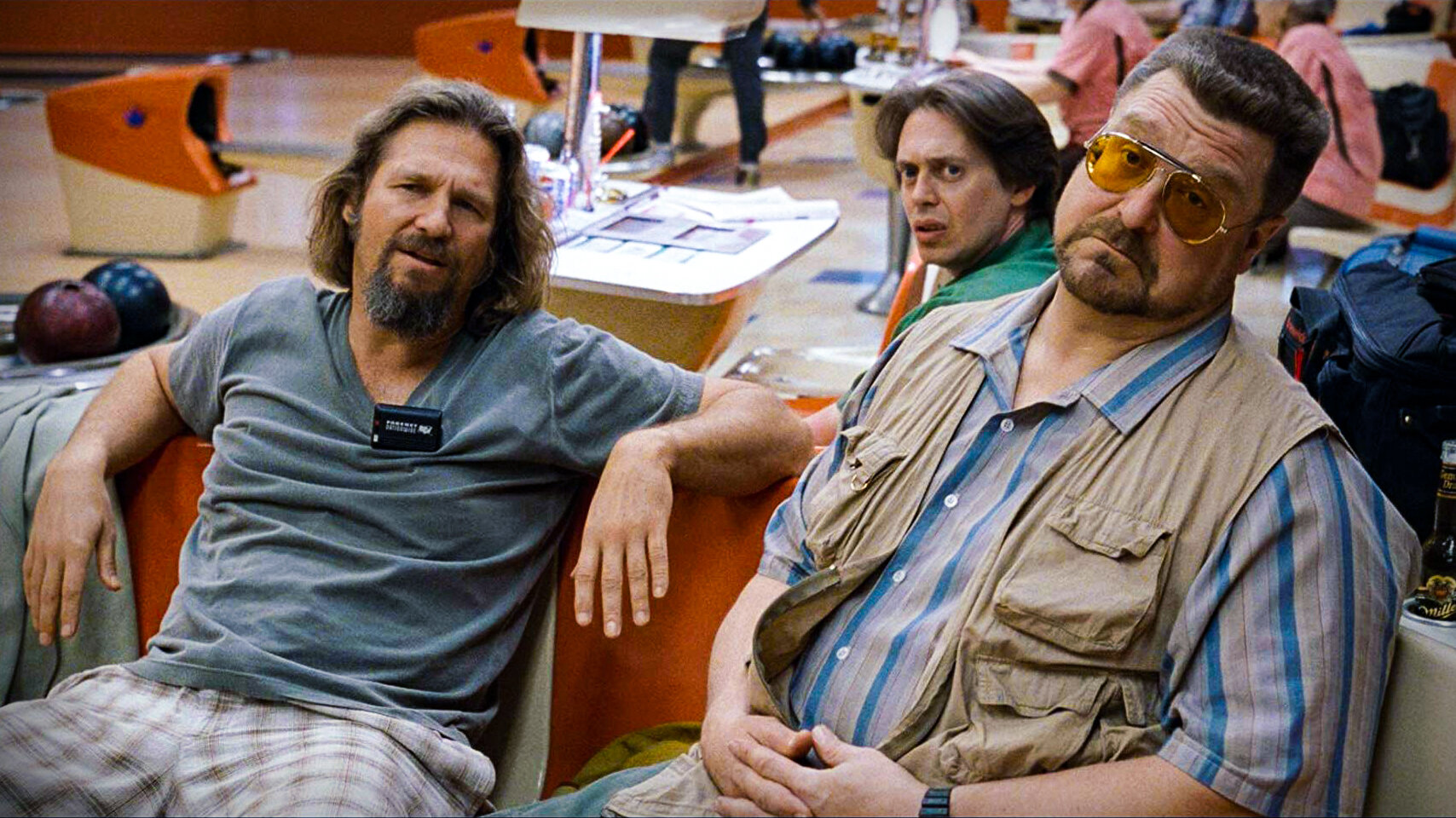
"The Big Lebowski," a slapstick crime comedy brought to us by the Coen brothers, is a film that undeniably stands out. At the center of the story, we have Jeff "The Dude" Lebowski, a character who, due to a case of mistaken identity with a millionaire of the same name, embarks on a quest for restitution for his ruined rug. To succeed, he enlists his bowling buddies, opening the door to a series of hilarious events.
As always, the Coen Brothers deliver a movie packed with immaculate cinematography, a fast-paced, action-oriented plot, and plenty of witty banter that keeps the audience hooked from start to finish. "Nihilists? Fuck me, Dude, say what you will about the tenets of National Socialism but at least it's an ethos." Such quotes are just a glimpse into the unique humor and dialogue that this movie offers.
"The Big Lebowski" became a cult classic swiftly, primarily because of the character 'The Dude'. His demeanor is so 'Dudish' that it's impossible not to be drawn to him. The script, acting, wardrobe, plot, and dialogue all come together to create an entirely outlandish yet believable character that never fails to entertain, no matter how many times you watch the movie.
Every single character in this film is interesting, unique, and highly quotable. However, 'The Dude' is next level, offering a performance that is both memorable and entertaining. With its impressive cast, compelling storyline, and unforgettable characters, "The Big Lebowski" is a true cinematic gem that continues to delight audiences worldwide.
- You are not comfortable with strong language and adult themes.
- You dislike slow-paced movies.
- You aren't a fan of '90s culture.
- You have a preference for action-packed films.
- You are under the age of 17, due to its R-rating.
Warning: The following may contain spoilers:
What's the deal with "The Big Lebowski?"I mean, here's a guy, Jeff Lebowski, who spends his entire day in a bathrobe, drinking White Russians, and bowling. And he's not a retired millionaire, he's unemployed! Who gets to do that? When I'm unemployed, I'm eating cereal straight from the box in my underwear! But this guy, he's living the dream!
And then there's his buddy Walter, a Vietnam veteran who thinks every single situation, no matter how trivial, is 'Nam-related. You're in a bowling alley, Walter, not a war zone!
And can someone explain the rug obsession? I mean, seriously, we're talking about a rug, right? Not a priceless artifact, not a family heirloom, just a rug. It really ties the room together? How about it really ties the absurdity together!
Pulp Fiction (1994)
Both "The Big Lebowski" and "Pulp Fiction" are cult classics that share a unique blend of dark humor, memorable dialogue, and unconventional storytelling. They are driven by intriguing characters and complex, interwoven narratives, infused with elements of crime and random violence. The films exhibit a similar irreverent tone and a distinct, stylized aesthetic that reflects the visionary filmmaking of the Coen Brothers and Quentin Tarantino respectively. Therefore, fans of The Big Lebowski's offbeat appeal and intelligent humor would appreciate the similar qualities in Pulp Fiction.
Fight Club (1999)"The Big Lebowski" and "Fight Club" are cult classics that deal with themes of identity, disillusionment, and anti-establishment sentiment, offering layered narratives that combine humor, drama, and social commentary. They feature memorable performances from their lead actors, Jeff Bridges in "The Big Lebowski" and Brad Pitt in "Fight Club," and are known for their unique storytelling styles, unconventional plotlines, and quotable dialogue. The offbeat humor, complex characters, and subversive undertones in both films appeal to audiences who appreciate cinema that challenges convention and offers more than surface-level entertainment.
American Beauty (1999)Fanciers of "The Big Lebowski" will appreciate American Beauty's similar exploration of intriguing, complex characters and the dissection of American societal norms. Both films feature a darkly comedic narrative, an exceptional script, and unique storytelling techniques that challenge the viewer's perception of reality. The satirical undertones, compelling character arcs, and the exploration of existential themes prevalent in both films will likely appeal to those who enjoy thought-provoking and unconventional cinema.
Fargo (1996)If you love The Big Lebowski, chances are you're a fan of the Coen Brothers and their unique style of quirky characters and intricate storytelling. Fargo is another masterpiece by the same dynamic duo, venturing into the crime genre with the same distinctive humor. The film's plot revolves around a car salesman who hires two criminals to kidnap his wife and ends up embroiling an entire town into his chaos. Frances McDormand's brilliant performance as a pregnant police chief won her an Academy Award.
Donnie Darko (2001)Aficionados of "The Big Lebowski" will appreciate "Donnie Darko" for its similar dark humor, complex narrative, and unique characters. Both films are cult classics that challenge conventional storytelling with their abstract narratives and philosophical undertones. They blend various genres and are known for their iconic characters, memorable quotes, and unconventional plot twists. Just as "The Big Lebowski" explores themes of nihilism and existentialism, "Donnie Darko" delves into time travel and mental illness, providing a rich, thought-provoking viewing experience.
Raising Arizona (1987)"The Big Lebowski" and "Raising Arizona" are products of the Coen Brothers' unique and eccentric filmmaking style, combining dark comedy, distinctive characters and convoluted plots in a way that is both engaging and entertaining. The quirky humor, unforgettable characters, and the blend of crime and comedy in "Raising Arizona" mirrors the similar themes found in "The Big Lebowski". Thus, fans of the latter would appreciate the former for its similar tone, humor, and narrative style.
Trainspotting (1996)"The Big Lebowski" and "Trainspotting" are cult classics that are characterized by their unique storylines, memorable characters, and unconventional humor. They both offer a satirical perspective on society, featuring protagonists who live outside the mainstream norms. The films' distinct narratives are driven by chaotic circumstances and unexpected turns, leading to humorous and often absurd situations. Furthermore, their stylistic approach to storytelling, featuring vivid visuals, distinctive soundtracks, and quotable dialogue, make them appealing to those who appreciate cinema that deviates from the conventional.
Rushmore (1998)Buffs of "The Big Lebowski" will enjoy "Rushmore" due to its similar dark, dry humor juxtaposed against quirky and eccentric characters. Both films are characterized by their ingenious and offbeat dialogue, unconventional storytelling, and distinctive visual style. While "The Big Lebowski" leans more towards surrealism, and "Rushmore" is more of a coming-of-age tale, both films offer a unique perspective on life and relationships, creating memorable moments that last long after the credits roll.
Office Space (1999)"The Big Lebowski" and "Office Space" are celebrated cult classics that cleverly satirize societal norms with an undercurrent of humor, quirky characters, and unique storylines. They explore themes of individualism, apathy towards societal expectations, and the absurdity of mundane routines. These films feature relatable, unconventional protagonists who are caught up in absurd circumstances, highlighted by witty dialogue and clever humor. Admirers of "The Big Lebowski" will appreciate the similar slacker ethos, the offbeat humor, and the subtle social commentary found in Office Space.
Burn After Reading (2008):This dark comedy by the Coen Brothers has an ensemble cast including Brad Pitt, George Clooney, and John Malkovich. Burn After Reading takes you along an unpredictable journey that involves espionage, fitness centers, and an amorously adventurous duo. The film is filled with wackiness and absurd situations very much in the same vein as The Big Lebowski, with characters making one bad decision after another in a domino effect of comedy and catastrophe.
Inherent Vice (2014):If you appreciate the laid back vibe and convoluted plot of The Big Lebowski, you may enjoy Inherent Vice. Directed by Paul Thomas Anderson and based on Thomas Pynchon’s novel, it follows a mellow private investigator navigating a haze of crime, drugs, and surf culture in 1970s LA. It's filled with eccentric characters, witty dialogues, and a labyrinthine plot that ensnares you in its psychedelic allure.
The Royal Tenenbaums (2001):It is another great film for fans of The Big Lebowski with its dry humor and multi-layered storytelling. The Royal Tenenbaums, directed by Wes Anderson, teems with quirky characters, a dysfunctional family, and an intricate plot filled with unexpected twists. With its symmetrical shots, manicured sets, and idiosyncratic characters, this film presents a beautifully stylized and emotionally touching narrative that mirrors the offbeat charm of The Big Lebowski.
Like this? Then click here to see more comedy movies